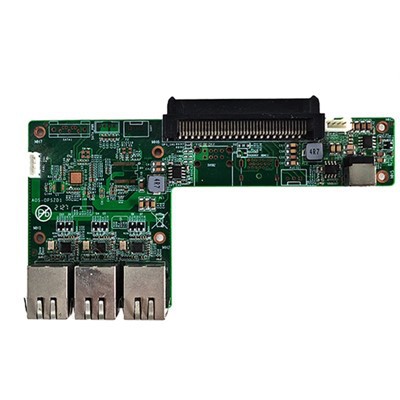
As a supplier of Atom Z8350 Android and Windows OPS computers, I've had the privilege of witnessing firsthand the diverse performance characteristics of these devices in different operating systems. The Atom Z8350 is a quad - core processor introduced by Intel, designed with low - power consumption and a balance of performance in mind. In this blog, I'll explore the performance differences when this processor is used in Android and Windows OPS (Open Pluggable Specification) computers.
1. System Boot - up and Responsiveness
Android
One of the most noticeable advantages of the Atom Z8350 in an Android OPS computer is its rapid boot - up time. Android is optimized for quick start - ups on mobile and embedded devices. When installed on an Atom Z8350 - powered OPS computer, it can boot up in a matter of seconds. This is particularly beneficial for applications where immediate access is required, such as digital signage or kiosks.


The system responsiveness in Android is also quite impressive. The Android operating system is lightweight, and the Atom Z8350 can handle basic UI interactions smoothly. For example, switching between home screens, opening pre - installed apps, and performing simple tasks like web browsing on mobile - optimized sites are all seamless experiences. Android's touch - friendly interface works well with the Atom Z8350, making it a great choice for touch - enabled displays.
Windows
In contrast, Windows on an Atom Z8350 OPS computer takes longer to boot up. Windows has a more complex boot process, involving loading various system services, drivers, and background processes. This can result in a boot time that is significantly longer than that of Android, often taking around 30 seconds to a minute or more.
However, once Windows is up and running, it offers a more comprehensive desktop - like experience. For users who are accustomed to the Windows environment for productivity tasks, this can be a major advantage. But the initial sluggishness during boot - up can be a drawback, especially in scenarios where time is of the essence.
2. Application Performance
Android
Android applications are generally designed to be lightweight and optimized for mobile devices. The Atom Z8350 can handle a wide range of Android apps efficiently. Social media apps, media players, and simple productivity apps like note - taking and document viewers run smoothly.
For example, popular social media apps like Instagram and Twitter load quickly and allow for seamless scrolling and interaction. Media players can play standard - definition videos without any stuttering. However, when it comes to more resource - intensive Android games, the performance may be limited. High - end 3D games with complex graphics and physics simulations may struggle to run at a consistent frame rate on the Atom Z8350 in an Android OPS computer.
Windows
Windows has a much larger software ecosystem compared to Android. The Atom Z8350 in a Windows OPS computer can run many traditional desktop applications. Office suites like Microsoft Office, which are essential for business and educational purposes, can be installed and used. However, the performance of these applications may not be as smooth as on more powerful processors.
For example, opening large Excel spreadsheets or running resource - hungry applications like video editing software can be a challenge. The Atom Z8350 may experience slowdowns, long loading times, and even occasional freezes when dealing with complex tasks. But for basic office work such as typing documents, sending emails, and browsing the web, it can still get the job done.
3. Multimedia Performance
Android
In Android, multimedia playback is generally smooth for standard - definition content. The Atom Z8350 can handle MP4, AVI, and other common video formats without much difficulty. Android's built - in media players are optimized for mobile devices, and the processor can decode and play videos at a decent quality.
However, when it comes to high - definition or 4K video playback, the performance may degrade. The Atom Z8350 may not have enough processing power to handle the high data rates and complex encoding of 4K videos, resulting in stuttering or buffering issues.
Windows
Windows offers more advanced multimedia capabilities. With the right codecs installed, the Atom Z8350 in a Windows OPS computer can play a wider range of video formats. It also has better support for external audio devices and advanced audio settings.
But similar to Android, 4K video playback is a challenge. The processor may struggle to keep up with the demands of high - resolution video, and users may experience a less - than - optimal viewing experience.
4. Compatibility and Connectivity
Android
Android has excellent compatibility with a wide range of mobile - centric devices. It supports USB devices, Bluetooth accessories, and Wi - Fi connectivity out of the box. This makes it easy to connect external keyboards, mice, and other input devices. Android also has good support for touch - screen displays, which is a key feature for many OPS computer applications.
However, when it comes to connecting to enterprise - level networks or using specialized software that is only available on Windows, Android may fall short.
Windows
Windows is known for its extensive compatibility with a vast array of hardware and software. It has better support for enterprise - level networking protocols, making it a preferred choice for business environments. Windows also has a wider range of driver support, allowing users to connect to more specialized hardware devices.
But the complexity of Windows may require more technical expertise to configure and maintain the connectivity settings, especially for non - technical users.
5. Power Consumption
Android
Android is designed to be power - efficient, and the Atom Z8350 in an Android OPS computer benefits from this optimization. The combination of a lightweight operating system and a low - power processor results in relatively low power consumption. This is ideal for applications where energy efficiency is a priority, such as in long - running digital signage or battery - powered devices.
Windows
Windows generally consumes more power than Android on the same Atom Z8350 processor. The complex system processes and background services running in Windows require more energy. This can be a drawback in scenarios where power consumption needs to be minimized, such as in portable or battery - operated devices.
Conclusion
In conclusion, the performance of the Atom Z8350 in Android and Windows OPS computers varies significantly. Android offers quick boot - up times, smooth basic app performance, and low power consumption, making it a great choice for mobile - centric applications, touch - enabled displays, and scenarios where immediate access is crucial. On the other hand, Windows provides a more comprehensive desktop experience, better compatibility with enterprise software, and a larger software ecosystem, but at the cost of longer boot times, higher power consumption, and potentially slower performance for resource - intensive tasks.
If you're considering purchasing Atom Z8350 Android or Windows OPS computers, it's important to evaluate your specific needs. For digital signage, kiosks, and simple touch - based applications, Android may be the better option. For business and educational settings where traditional desktop applications are required, Windows could be more suitable.
We, as a supplier of Atom Z8350 Android and Windows OPS computers, are committed to providing high - quality products that meet your performance requirements. If you're interested in learning more about our products or starting a procurement discussion, please feel free to reach out to us. We can offer you detailed product information and help you make an informed decision.
You may also be interested in our other OPS computer models, such as the Intel Core 6th OPS, SOC Haswell - U OPS JAE 80 PIN OPS - C Computer, and I7 OPS Computer.
References
- Intel official documentation on Atom Z8350 processor.
- Android and Windows operating system technical specifications.
- Industry reports on OPS computer performance.