As a supplier of 4K OPS (Open Pluggable Specification) computers for touch panels, I often get asked about the heat dissipation of these powerful devices. In this blog post, I'll delve into the intricacies of heat dissipation in 4K OPS computers for touch panels, explaining why it's crucial, the factors that affect it, and the methods we use to ensure optimal performance.
Why Heat Dissipation Matters in 4K OPS Computers for Touch Panels
4K OPS computers for touch panels are designed to deliver high - resolution visuals and smooth interactive experiences. These devices house powerful processors, graphics cards, and other components that generate a significant amount of heat during operation. If not properly managed, excessive heat can lead to several issues:


- Reduced Performance: When components overheat, they may throttle their performance to prevent damage. This can result in slower processing speeds, laggy graphics, and an overall sub - par user experience.
- Shortened Lifespan: Prolonged exposure to high temperatures can cause components to degrade more quickly, reducing the lifespan of the computer. This means more frequent replacements and higher costs for end - users.
- System Instability: Heat can cause electrical components to malfunction, leading to system crashes, freezes, and data loss.
Factors Affecting Heat Dissipation
Several factors influence the heat dissipation of a 4K OPS computer for touch panels:
- Component Power Consumption: The more power a component consumes, the more heat it generates. High - end processors and graphics cards, which are often required to drive 4K resolution and touch - panel functionality, tend to be power - hungry and generate a substantial amount of heat.
- Enclosure Design: The design of the OPS enclosure plays a crucial role in heat dissipation. A well - designed enclosure allows for proper air circulation, while a poorly designed one can trap heat, leading to higher internal temperatures.
- Environmental Conditions: The ambient temperature and humidity of the environment where the computer is used can also affect heat dissipation. In hot and humid conditions, it's more challenging for the computer to dissipate heat effectively.
Heat Dissipation Methods
To ensure efficient heat dissipation in our 4K OPS computers for touch panels, we employ several methods:
Heat Sinks
Heat sinks are passive cooling devices that absorb and dissipate heat from components. They are typically made of materials with high thermal conductivity, such as aluminum or copper. Heat sinks have fins or other structures that increase their surface area, allowing for more efficient heat transfer to the surrounding air. In our SOH310B Whiskylake Touch Display OPS - C Computer, we use high - quality heat sinks to keep the processor and other critical components cool.
Fans
Fans are active cooling devices that help to circulate air within the enclosure. They can be used in conjunction with heat sinks to enhance heat dissipation. We carefully select fans based on their size, speed, and noise level to ensure optimal cooling performance without creating excessive noise. Some of our models feature variable - speed fans that adjust their speed based on the temperature of the components, providing efficient cooling while minimizing power consumption.
Thermal Pads and Grease
Thermal pads and grease are used to improve the thermal contact between components and heat sinks. They fill in microscopic gaps between the surfaces, allowing for better heat transfer. We use high - quality thermal pads and grease to ensure maximum heat transfer efficiency, which helps to keep the components at a safe operating temperature.
Enclosure Ventilation
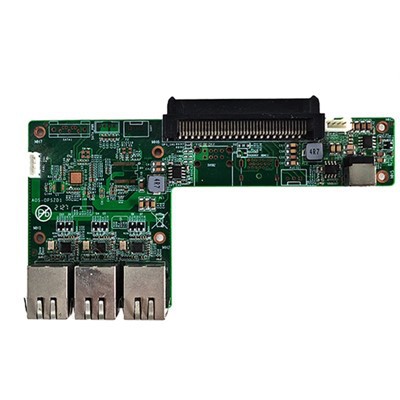
Proper enclosure ventilation is essential for effective heat dissipation. Our OPS enclosures are designed with strategically placed vents that allow for the intake of cool air and the exhaust of hot air. This natural convection process helps to maintain a consistent internal temperature. Additionally, we use OPS Adapter Connector Small Board that are designed to optimize the airflow within the enclosure, ensuring that all components receive adequate cooling.
Case Study: Our 4K OPS Computer in a High - Demand Environment
Let's take a look at a real - world example of how our 4K OPS computer for touch panels performs in a high - demand environment. A large corporate training center installed our 4K OPS computers in their touch - panel displays for interactive training sessions. The computers were used for long periods, running resource - intensive applications such as video conferencing, 3D simulations, and multimedia presentations.
Thanks to our advanced heat dissipation methods, the computers maintained stable performance throughout the training sessions. The heat sinks and fans effectively dissipated the heat generated by the components, preventing overheating and performance throttling. The enclosure ventilation design also played a crucial role in maintaining a consistent internal temperature, ensuring that the computers could operate reliably in a high - traffic environment.
The Role of ARM Chip in Heat Dissipation
In some of our 4K OPS computers for touch panels, we use ARM Chip Industrial Iot Gateway Internet Of Things Gateway Computer Embedded Computer. ARM chips are known for their low power consumption, which translates to less heat generation compared to traditional x86 chips. This makes them an ideal choice for applications where heat dissipation is a concern.
The low power consumption of ARM chips also allows for more compact and energy - efficient designs. Our OPS computers with ARM chips can be used in smaller enclosures without sacrificing performance, while still maintaining effective heat dissipation.
Conclusion
Heat dissipation is a critical aspect of the performance and reliability of 4K OPS computers for touch panels. By understanding the factors that affect heat dissipation and employing effective cooling methods, we can ensure that our computers deliver optimal performance in a variety of environments.
If you're in the market for a 4K OPS computer for touch panels and are concerned about heat dissipation, we're here to help. Our team of experts can provide you with detailed information about our products and their cooling capabilities. We can also work with you to find the best solution for your specific needs. Contact us to start a discussion about your procurement requirements and explore how our 4K OPS computers can meet your expectations.
References
- "Thermal Management in Electronic Devices and Systems" by Avram Bar - Cohen, Diran Apelian, and Jeffrey W. Fletcher.
- "Heat Transfer: A Practical Approach" by Yunus A. Cengel.