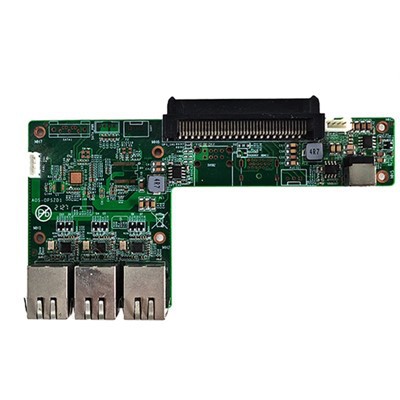
As a supplier of Atom Z8350 Android Windows OPS (Open Pluggable Specification) computers, I often get inquiries about the multi - core performance of the Atom Z8350 in an OPS computer. In this blog post, I'll dive deep into this topic, exploring the key aspects of its multi - core performance, how it fares in different scenarios, and its relevance in the OPS computer market.
Understanding the Atom Z8350
The Intel Atom Z8350 is a quad - core processor based on the Cherry Trail platform. It operates at a base frequency of 1.44 GHz and can turbo boost up to 1.92 GHz. With a TDP (Thermal Design Power) of just 2W, it is designed for low - power, fanless devices, making it an ideal choice for OPS computers which are often used in thin - client and embedded applications.
Multi - Core Performance Basics
Multi - core performance refers to how well a processor can handle multiple tasks simultaneously. In a quad - core processor like the Atom Z8350, each core can work on a different task at the same time. This parallel processing capability significantly improves the overall efficiency of the computer, especially when dealing with multi - threaded applications.
For example, in an OPS computer used for digital signage, multiple cores can work together to handle different functions. One core can be dedicated to decoding the video stream, another to handling user interactions (if any), yet another to managing network connections, and the last one to running background system processes. This division of labor ensures smooth and efficient operation of the system.
Benchmarking the Multi - Core Performance
To understand the multi - core performance of the Atom Z8350 in an OPS computer, we can look at some benchmark results. Benchmarking is a standardized way of measuring a processor's performance under specific conditions.


One of the commonly used benchmarks is the Geekbench 4. In multi - core tests, the Atom Z8350 typically scores around 1600 - 1800 points. This score indicates its ability to handle multiple threads efficiently. Compared to some older single - core or dual - core processors, the multi - core nature of the Atom Z8350 gives it a significant advantage in multi - threaded tasks.
However, when compared to high - end desktop processors, the scores are relatively lower. But it's important to note that the Atom Z8350 is designed for low - power and cost - effective applications, not for high - end gaming or intensive professional work.
Real - World Applications in OPS Computers
Digital Signage
In digital signage applications, the multi - core performance of the Atom Z8350 shines. Digital signage systems often need to display high - resolution videos, manage content updates, and sometimes handle touch - screen interactions. The quad - core architecture allows the OPS computer to handle these tasks concurrently. For instance, while one core is busy decoding a 1080p video stream, another can be updating the content from a remote server, ensuring that the display remains up - to - date and glitch - free.
Education
In educational institutions, OPS computers are commonly used in smart classrooms. The multi - core performance of the Atom Z8350 enables smooth operation of educational software. For example, during a virtual reality (VR) or augmented reality (AR) lesson, multiple cores can work together to render the 3D environments, process user input, and manage the data flow between the headset and the computer. This ensures an immersive and seamless learning experience for students.
Retail
In the retail industry, OPS computers are used for point - of - sale (POS) systems and digital kiosks. The multi - core processor can handle multiple tasks such as processing transactions, managing inventory, and displaying promotional content. This allows retailers to provide a better customer experience by reducing waiting times and ensuring that all systems are running smoothly.
Comparison with Other OPS Computer Processors
When considering the multi - core performance of the Atom Z8350, it's useful to compare it with other processors commonly used in OPS computers. For example, the Celeron J5005 J4105 J4005 OPS Computer features different processors from the Celeron series. These processors generally offer higher clock speeds and more advanced features compared to the Atom Z8350. However, they also consume more power.
The Atom Z8350's low power consumption makes it a better choice for applications where energy efficiency is a priority, such as in long - running digital signage or in areas with limited power supply. On the other hand, if the application requires high - end performance for tasks like 3D modeling or high - frame - rate gaming, the Celeron processors might be a better option.
The Role of Atom Z8350 in the OPS Computer Ecosystem
The Atom Z8350 plays a crucial role in the OPS computer ecosystem. Its low - power, multi - core design makes it suitable for a wide range of applications, from entry - level digital signage to basic educational and retail systems. It provides a cost - effective solution for customers who need a reliable and efficient OPS computer without breaking the bank.
Moreover, the compatibility of the Atom Z8350 with both Android and Windows operating systems adds to its versatility. Customers can choose the operating system that best suits their needs, whether it's the simplicity and customizability of Android or the extensive software support of Windows.
Other Related Products
In addition to the Atom Z8350 OPS computers, we also offer a range of related products. For example, the ARM Chip Industrial Iot Gateway Internet Of Things Gateway Computer Embedded Computer is a great option for customers looking to integrate their OPS computers into the Internet of Things (IoT) ecosystem. It provides a reliable and secure way to connect devices and manage data flow.
Another product is the HM86 Discrete Graphics Electronic Whiteboard OPS Computer. This OPS computer is equipped with discrete graphics, which is ideal for applications that require high - quality graphics, such as in digital art classrooms or high - end digital signage.
Conclusion and Call to Action
In conclusion, the multi - core performance of the Atom Z8350 in an OPS computer is well - suited for a variety of low - power and cost - effective applications. Its ability to handle multiple tasks simultaneously ensures smooth operation in digital signage, education, and retail environments.
If you're interested in learning more about our Atom Z8350 Android Windows OPS computers or any of our other products, we encourage you to reach out to us for a detailed discussion. Whether you're a small business owner looking for a cost - effective digital signage solution or an educational institution in need of reliable OPS computers for your classrooms, we have the expertise and products to meet your needs. Contact us today to start the procurement process and find the perfect solution for your requirements.
References
- Intel official documentation on Atom Z8350
- Geekbench 4 benchmark reports
- Industry reports on OPS computer market trends