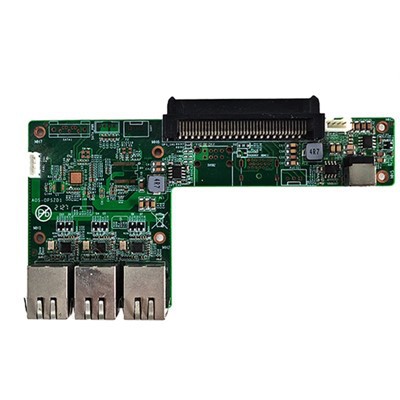
In the dynamic realm of computer hardware, network cards stand as unsung heroes, facilitating seamless connectivity and enabling a multitude of digital interactions. As a seasoned provider of computer hardware solutions, I've witnessed firsthand the transformative power of network cards in shaping the modern computing landscape. In this blog post, I'll delve into the fundamental purpose of network cards, exploring their significance, functionality, and the diverse applications they support.
At its core, a network card, also known as a network interface controller (NIC), serves as the bridge between a computer and a network. It enables devices to communicate with each other, exchange data, and access shared resources over a local area network (LAN) or the internet. Whether it's a desktop computer in an office, a laptop on the go, or a server in a data center, network cards are essential components that empower users to stay connected and productive.
One of the primary functions of a network card is to transmit and receive data packets over a network. When a user sends a request to access a website, download a file, or send an email, the network card encapsulates the data into small packets and sends them across the network to their destination. Conversely, when data packets are received from the network, the network card decodes them and passes the information to the computer's operating system for processing. This process of data transmission and reception is crucial for enabling real-time communication and seamless data transfer between devices.
Another important role of network cards is to provide network connectivity options. Depending on the type of network and the requirements of the user, network cards can support different types of network connections, such as Ethernet, Wi-Fi, and Bluetooth. Ethernet network cards are commonly used in wired networks, providing high-speed and reliable connectivity for desktop computers, servers, and other networked devices. Wi-Fi network cards, on the other hand, enable wireless connectivity, allowing users to connect to Wi-Fi networks and access the internet from anywhere within range. Bluetooth network cards support short-range wireless communication between devices, such as smartphones, tablets, and laptops, enabling file sharing, data synchronization, and other wireless applications.
In addition to data transmission and network connectivity, network cards also play a crucial role in network security. They are equipped with various security features, such as firewalls, intrusion detection systems, and encryption algorithms, to protect the computer and the network from unauthorized access, malware attacks, and other security threats. These security features help to ensure the confidentiality, integrity, and availability of data transmitted over the network, safeguarding the privacy and security of users and their sensitive information.
The purpose of network cards extends beyond individual computers and devices. They are also essential components in large-scale network infrastructure, such as data centers, corporate networks, and telecommunications networks. In data centers, network cards are used to connect servers, storage devices, and other networked equipment, enabling high-speed data transfer and efficient resource sharing. In corporate networks, network cards are used to connect employees' computers, printers, and other devices to the company's internal network, facilitating collaboration and communication. In telecommunications networks, network cards are used to connect network nodes, such as routers, switches, and base stations, enabling the transmission of voice, data, and video signals over long distances.
As a computer hardware supplier, I understand the importance of providing high-quality network cards that meet the diverse needs of our customers. We offer a wide range of network cards from leading manufacturers, including Ethernet network cards, Wi-Fi network cards, and Bluetooth network cards, to suit different types of computers, devices, and network environments. Our network cards are designed to provide reliable performance, high-speed connectivity, and advanced security features, ensuring that our customers can stay connected and productive in today's digital age.
In conclusion, the purpose of a network card is to enable seamless connectivity and communication between computers and networks. It plays a crucial role in data transmission, network connectivity, and network security, and is essential for a wide range of applications, from personal computing to large-scale network infrastructure. As a computer hardware supplier, we are committed to providing our customers with the best network cards and other computer hardware solutions to meet their needs and help them achieve their goals. If you're in the market for high-quality network cards or other computer hardware products, please don't hesitate to contact us to discuss your requirements and explore our product offerings. We look forward to working with you to provide the best solutions for your computing needs.
References - "Network Interface Controller." Wikipedia. Wikimedia Foundation, n.d. Web. - "What is a Network Card?" Techopedia. Techopedia, n.d. Web. - "Network Card Basics." Computer Hope. Computer Hope, n.d. Web.