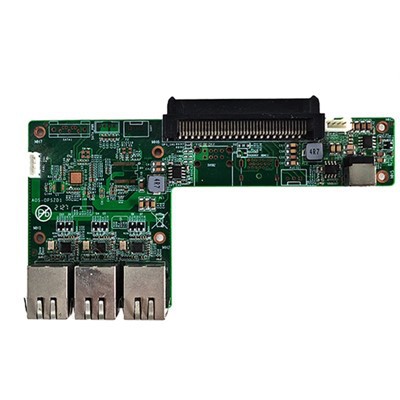
As a supplier of Atom Z8350 Android Windows OPS computers, I often receive inquiries about the support for different file systems on these devices. In this blog post, I'll delve into the details of file system support on Atom Z8350 Android Windows OPS computers, explaining the key aspects and benefits for users.
Understanding the Atom Z8350 Android Windows OPS Computer
Before we discuss file system support, let's briefly introduce the Atom Z8350 Android Windows OPS computer. The Intel Atom Z8350 is a quad - core processor designed for low - power and compact devices. Our OPS (Open Pluggable Specification) computers combine the power of this processor with the flexibility of both Android and Windows operating systems. These computers are highly versatile, suitable for a wide range of applications such as digital signage, meeting rooms, and educational settings.
File System Support in Android
On the Android side of our Atom Z8350 OPS computers, several file systems are supported:
Ext4
Ext4 is the most commonly used file system in Android devices. It is an evolution of the Ext3 file system, offering improved performance, reliability, and scalability. One of the key advantages of Ext4 is its support for large file sizes and large partitions. It uses a journaling mechanism to ensure data integrity, which means that in case of a system crash or power failure, the file system can quickly recover without losing data.
F2FS
F2FS (Flash - Friendly File System) is a file system specifically designed for flash - based storage devices. Since many of our OPS computers use flash storage, F2FS provides significant benefits. It reduces wear - leveling on the flash memory, which extends the lifespan of the storage device. Additionally, F2FS offers faster read and write speeds compared to traditional file systems like Ext4, especially for small - file operations.
NTFS (Limited Support)
Although Android primarily uses Linux - based file systems, it also has limited support for NTFS. This is useful when users need to access external storage devices formatted with NTFS, such as external hard drives. However, the write support for NTFS in Android is often restricted and may require additional third - party applications.
File System Support in Windows
When the Atom Z8350 OPS computer is running Windows, the following file systems are supported:
NTFS
NTFS (New Technology File System) is the default file system for Windows operating systems. It offers a wide range of features, including file and folder permissions, encryption, and compression. NTFS also supports large file sizes and partitions, making it suitable for storing large amounts of data. Its journaling feature helps in maintaining data integrity during system crashes or power outages.
FAT32
FAT32 is an older file system that is still widely supported across different operating systems. It has the advantage of being highly compatible, which means that storage devices formatted with FAT32 can be easily accessed on Windows, Android, and even some other operating systems. However, FAT32 has limitations, such as a maximum file size of 4GB and a maximum partition size of 2TB.
exFAT
exFAT is a modern file system developed by Microsoft as an alternative to FAT32. It overcomes the limitations of FAT32, supporting larger file sizes and partitions. exFAT is also more suitable for flash - based storage devices compared to NTFS, as it has a simpler structure and lower overhead. It is commonly used for external storage devices like USB flash drives and SD cards.
Benefits of Multi - File System Support
The support for multiple file systems on our Atom Z8350 Android Windows OPS computers brings several benefits to users:
Compatibility
With support for a variety of file systems, users can easily connect different types of external storage devices to the OPS computer. Whether it's an external hard drive formatted with NTFS, a USB flash drive formatted with exFAT, or a legacy device formatted with FAT32, our computers can read and, in many cases, write to these devices without any issues.
Data Migration
For users who need to migrate data between different operating systems, the multi - file system support is invaluable. They can transfer data between Android and Windows partitions on the same OPS computer or move data to external storage devices for backup or sharing purposes.
Flexibility in Storage
Users have the flexibility to choose the most suitable file system for their specific needs. For example, if they need to store large files and require advanced security features, they can use NTFS on the Windows side. If they are using a flash - based storage device and want to optimize performance and lifespan, they can choose F2FS on the Android side.


Use Cases in Different Scenarios
Meeting Rooms
In meeting room settings, our OPS Computer for Meeting Touchable TV can be used to display presentations, share files, and conduct video conferences. The support for multiple file systems allows users to easily connect external storage devices containing presentation files, regardless of the file system they are formatted with. For example, a user can connect a USB flash drive formatted with exFAT to quickly access and present a high - resolution video.
Digital Signage
For digital signage applications, our OPS computers need to be able to read and display content from various sources. The ability to support different file systems ensures that content stored on external hard drives or USB flash drives can be easily accessed. Whether the content is stored on an NTFS - formatted drive or a FAT32 - formatted SD card, the OPS computer can handle it.
Educational Institutions
In educational institutions, students and teachers may need to transfer and share files between different devices. Our H310 8Th 9Th Generation CORE OPS Computer with multi - file system support allows for seamless file sharing. For example, a student can use an external hard drive formatted with NTFS to back up their project files and then access these files on the OPS computer in the school's computer lab.
Conference Boards
Our UHD OPS Computer for Meeting Board is designed to work with high - resolution meeting boards. The support for multiple file systems enables users to load high - quality images and videos for presentations. They can use external storage devices formatted with different file systems to store and transfer these large media files.
Contact Us for Procurement
If you are interested in our Atom Z8350 Android Windows OPS computers and want to discuss procurement, please feel free to contact us. Our team of experts is ready to provide you with detailed information, answer your questions, and assist you in making the right choice for your specific needs.
References
- "Android File Systems" - Android Developer Documentation
- "Windows File System Overview" - Microsoft Documentation
- "File System Comparison" - Various industry research papers on file systems