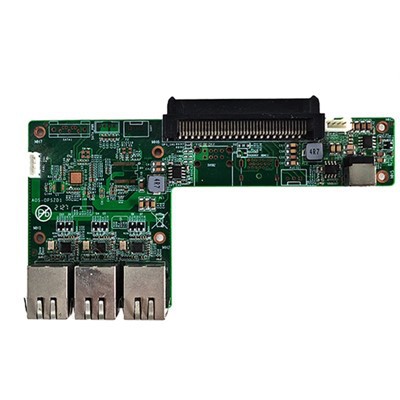
Data loss is an unfortunate event that can occur due to various reasons such as system crashes, human errors, or hardware malfunctions. When it happens to an OPS (Open Pluggable Specification) Computer, it can be particularly distressing, especially if you rely on the data for business or personal use. As an OPS Computer supplier, I understand the importance of data recovery and am here to guide you through the process.
Understanding the OPS Computer
Before diving into data recovery, it's essential to understand what an OPS Computer is. An OPS Computer is a standardized, modular computer designed to be easily inserted into compatible displays, such as touch - screen TVs used in meetings. It offers a compact and efficient solution for integrating computing power into display devices. You can explore our OPS Computer for Meeting Touchable TV to see how it combines with touch - screen technology for seamless meetings.


The OPS form factor has become popular in various industries due to its plug - and - play nature. Our Ops I5 Pc Module is a prime example, offering powerful processing capabilities in a small package. However, like any computer, it is not immune to data loss.
Common Causes of Data Loss in OPS Computers
- Hardware Failures: Components such as hard drives, solid - state drives (SSDs), or memory modules can fail over time. Physical damage to the drive, such as a head crash in a hard drive or a faulty controller in an SSD, can lead to data inaccessibility.
- Software Issues: Operating system crashes, corrupted drivers, or malware infections can cause data to become unreadable. For example, a virus might encrypt your files and demand a ransom for decryption.
- Human Errors: Accidental deletion of files, formatting the wrong drive, or improper shutdowns can also result in data loss.
Steps to Recover Data from an OPS Computer
1. Assess the Situation
The first step is to determine the cause of the data loss. If it's a software - related issue, you might be able to recover the data using software tools. However, if it's a hardware problem, you may need to seek professional help.
Check if the OPS Computer is still booting up. If it can boot, but you can't access your files, it could be a software issue. If it fails to boot, it might be a hardware problem.
2. Use Data Recovery Software
There are many data recovery software programs available in the market. Some popular ones include Recuva, EaseUS Data Recovery Wizard, and Disk Drill.
- Installation: Install the data recovery software on a different computer or an external drive if the OPS Computer is not bootable.
- Scanning: Connect the storage device from the OPS Computer (either the hard drive or SSD) to the computer with the data recovery software installed. Run a scan using the software. The scan may take some time, depending on the size of the drive.
- Recovery: Once the scan is complete, the software will display the recoverable files. Select the files you want to recover and save them to a different location, such as an external hard drive.
3. Seek Professional Data Recovery Services
If the data recovery software fails to recover your data, or if you suspect a hardware problem, it's time to consider professional data recovery services. These services have specialized equipment and expertise to deal with complex data loss situations.
- Data Centers: Look for a reputable data recovery center with experience in handling OPS Computers. They can diagnose the problem accurately and attempt to recover your data.
- Cost and Time: Keep in mind that professional data recovery services can be expensive and time - consuming. The cost depends on the complexity of the problem, and the process may take several days or even weeks.
Preventive Measures to Avoid Data Loss
- Regular Backups: Implement a regular backup strategy. You can use an external hard drive, a network - attached storage (NAS) device, or cloud storage services such as Google Drive, Dropbox, or OneDrive. Our Transfer Panel Addtive OPS Computer can facilitate easy data transfer for backup purposes.
- Antivirus Software: Install reliable antivirus software and keep it updated. This will protect your OPS Computer from malware infections that can cause data loss.
- Proper Maintenance: Keep your OPS Computer clean and well - ventilated. Avoid exposing it to extreme temperatures or physical shocks.
Importance of Data Recovery in Business Settings
In a business environment, data is often the lifeblood of the organization. Losing important files such as customer data, financial records, or project documents can have severe consequences.
For example, a sales team might rely on customer contact information stored on an OPS Computer in a meeting room. If that data is lost, it could lead to missed sales opportunities and damage to customer relationships.
As an OPS Computer supplier, we understand the critical role of data recovery in business continuity. That's why we recommend our customers to have a comprehensive data recovery plan in place.
Conclusion
Data loss in an OPS Computer can be a stressful experience, but with the right approach, you can often recover your valuable data. By following the steps outlined above, you can increase your chances of successful data recovery.
If you are facing data loss issues or are interested in learning more about our OPS Computer products, we encourage you to reach out to us. Our team of experts is ready to assist you with any questions you may have regarding data recovery or OPS Computer procurement. Whether you need a powerful Ops I5 Pc Module for your office or a OPS Computer for Meeting Touchable TV for your conference room, we have the solutions to meet your needs. Contact us today to start a conversation about your requirements.
References
- "Data Recovery Handbook" by Brian Simpson
- "Computer Hardware and Software Troubleshooting Guide" by David A. Russell
- Online resources from data recovery software providers such as Recuva, EaseUS, and Disk Drill.