As a leading supplier of super mini desktop computers, I've been having countless conversations with students and educators about the suitability of these compact devices for academic use. In this blog post, I'll delve into the various aspects of super mini desktop computers and explore whether they're a good fit for students.
Compact Design and Portability
One of the most obvious advantages of super mini desktop computers is their highly compact design. Unlike traditional desktop computers that take up a large amount of space on a desk, super mini desktops are incredibly small and lightweight. This makes them ideal for students who may have limited workspace, such as those living in dorm rooms or small apartments.
For instance, if you're a student in a shared dormitory, you likely don't have a large desk area to spare. A super mini desktop can easily fit on a corner of your desk, leaving you with more space to place books, notebooks, and other study materials. Moreover, their lightweight nature allows for easy portability. You can take your super mini desktop with you to the library, study groups, or even home during holidays without much hassle.
Cost - Effectiveness
Cost is a significant factor for students, who often have limited budgets. Super mini desktop computers are generally more affordable than their mainstream desktop counterparts. They require less hardware and materials to manufacture, which translates into lower retail prices.
This affordability doesn't mean you're sacrificing too much in terms of performance. Many super mini desktops come with decent processing power and sufficient memory to handle basic academic tasks such as word processing, spreadsheet creation, and web browsing. For students who mainly need a computer for attending online classes, writing papers, and researching, a super mini desktop can provide an excellent balance between cost and performance.
Energy Efficiency
In an era where energy conservation is crucial, super mini desktop computers are a great option. They consume significantly less power compared to traditional desktops. This not only helps students save on electricity bills (which is especially important for those living on their own), but it's also better for the environment.
For example, if you're a student who uses your computer for several hours a day, a super mini desktop will draw much less power than a full - sized desktop, resulting in cost savings over time. Additionally, as educational institutions are increasingly aiming to be more sustainable, using energy - efficient devices like super mini desktops aligns with these broader goals.
Performance Limitations
However, it's important to address the potential drawbacks. Super mini desktop computers may have some performance limitations. Due to their compact size, they often have less powerful processors and graphics cards compared to larger desktop computers or high - end laptops.
This can be a problem if you're a student majoring in fields that require intensive computing power, such as computer science, engineering, or graphic design. For example, if you're working on complex programming projects, running simulations, or editing high - resolution images and videos, a super mini desktop may struggle to keep up with the demands.


Software Compatibility
Another aspect to consider is software compatibility. Most super mini desktops run on standard operating systems such as Windows or Linux, and they can support a wide range of common software applications used in education, like Microsoft Office, Google Chrome, and various learning management system platforms.
However, some specialized software required for certain academic disciplines may not perform optimally on super mini desktops. For instance, advanced statistical analysis software or 3D modeling programs may require more powerful hardware to run smoothly.
Upgradeability
Upgradeability is a mixed bag for super mini desktop computers. On one hand, some models are designed to be relatively easy to upgrade, allowing you to add more RAM or replace the hard drive to improve performance as your academic needs grow.
On the other hand, the compact size of these computers can also limit the scope of upgrades. For example, there may not be enough space inside the chassis to install a larger or more powerful graphics card. If you anticipate needing significant hardware upgrades in the future, it's important to carefully research the upgrade options available for the super mini desktop you're considering.
Our Product Offerings
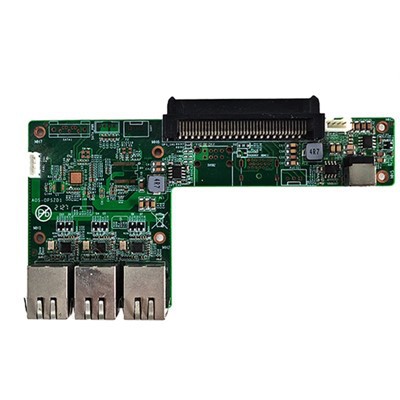
We offer a wide range of super mini desktop computers that are suitable for different student needs. For instance, our Transfer Panel Addtive OPS Computer is a great choice for students who need a reliable and compact computer for daily study tasks. It comes with a decent amount of memory and processing power to handle most academic applications.
If you're looking for a more powerful option for light - duty programming or multimedia work, our Ops I5 Pc Module might be the right fit. It features an Intel Core i5 processor, which provides better performance compared to some entry - level super mini desktops.
For students interested in the field of Internet of Things (IoT), our ARM Chip Industrial Iot Gateway Internet Of Things Gateway Computer Embedded Computer offers a unique opportunity to explore this emerging technology. It's designed to work with IoT devices and can be a valuable tool for hands - on learning.
Conclusion
In conclusion, super mini desktop computers can be a great option for many students. Their compact design, cost - effectiveness, and energy efficiency make them attractive for students with limited space and budget. However, students need to carefully consider their academic requirements. If you mainly need a computer for basic tasks, a super mini desktop is likely a good choice. But if you're in a field that demands high - performance computing, you may need to look for more powerful alternatives.
If you're a student or an educational institution interested in our super mini desktop computers, we'd love to have a conversation with you. Our team of experts can help you choose the right product for your specific needs. Feel free to reach out to us for any questions or to start the procurement process. We're committed to providing high - quality products and excellent customer service.
References
- "Computer Hardware: A Beginner's Guide", Third Edition, by Andrew T. H. Tanenbaum.
- Reports from industry research firms on the market trends of super mini desktop computers.