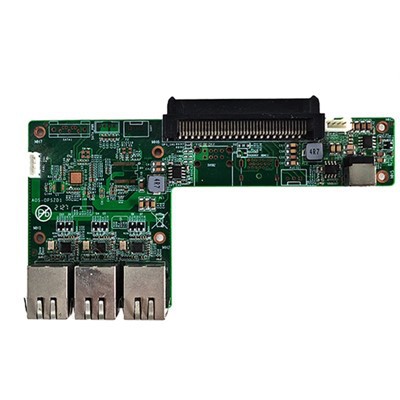
In the ever - evolving landscape of modern technology, the demand for efficient, compact, and powerful computing solutions has skyrocketed. Among the various options available, OPS (Open Pluggable Specification) computers have emerged as a game - changer. As an OPS computer supplier, I am excited to share the numerous advantages of these remarkable devices.
1. Compact Design and Space Efficiency
One of the most prominent advantages of OPS computers is their compact size. Unlike traditional desktop computers that can take up a significant amount of desk space, OPS computers are designed to be small and lightweight. They can be easily integrated into a variety of display devices, such as digital signage, interactive kiosks, and smart boards. For instance, in a retail store, where space is often at a premium, an OPS computer can be plugged into a digital display without the need for a separate bulky computer tower. This not only saves physical space but also gives the setup a cleaner and more professional look.
The small form factor of OPS computers also makes them highly portable. They can be quickly moved from one location to another, which is particularly useful for events, trade shows, or temporary installations. Whether you need to set up a digital display in a conference room for a day or a week, an OPS computer can be easily transported and installed without much hassle.
2. Easy Installation and Maintenance
Installing an OPS computer is a breeze. Most OPS computers are designed to be plug - and - play devices. They can be inserted into a compatible OPS slot on a display device, and with just a few simple connections, they are ready to go. This simplicity of installation reduces the time and effort required to set up a computing system, especially in large - scale deployments. For example, if a shopping mall wants to install digital signage throughout its premises, the use of OPS computers can significantly speed up the installation process compared to traditional computers.
Maintenance is also straightforward with OPS computers. Since they are modular in nature, if a component fails, it can be easily replaced. Instead of having to disassemble an entire computer tower to access a faulty part, technicians can simply remove the OPS computer from the slot and replace the defective component. This reduces downtime and ensures that the computing system can be up and running again quickly.
3. High - Performance Computing
Despite their small size, OPS computers offer high - performance computing capabilities. They are often equipped with powerful processors, such as the Intel J6412 Processor MINI Computer 2COM Port 6USB Mini Computer. These processors can handle complex tasks, such as running multimedia applications, playing high - definition videos, and processing large amounts of data.
In addition to powerful processors, OPS computers also come with sufficient memory and storage options. They can support a range of RAM configurations and different types of storage devices, including solid - state drives (SSDs) for faster data access. This allows OPS computers to provide smooth and efficient performance, even when running resource - intensive applications.
4. Energy Efficiency
Energy efficiency is a crucial consideration in today's world, both for cost - saving purposes and environmental reasons. OPS computers are designed to be energy - efficient. Their small size and optimized components consume less power compared to traditional desktop computers. This not only reduces electricity bills but also helps to lower the carbon footprint.


For businesses with a large number of computing devices, such as data centers or corporate offices, the energy savings from using OPS computers can be substantial over time. Additionally, in locations where power supply is limited or unreliable, the lower power consumption of OPS computers can be a significant advantage.
5. Compatibility and Flexibility
OPS computers are highly compatible with a wide range of display devices. They adhere to the Open Pluggable Specification standard, which means they can be used with different brands and models of displays that support the OPS interface. This compatibility allows for greater flexibility in choosing display devices based on specific requirements, such as size, resolution, and functionality.
Moreover, OPS computers support a variety of operating systems, including Windows, Linux, and macOS in some cases. This flexibility enables users to choose the operating system that best suits their needs and applications. Whether you are running a business application, a media - rich presentation, or a gaming experience, there is an OPS computer configuration that can support it.
6. Enhanced Security
Security is a top concern in the digital age, and OPS computers offer several features to enhance security. Many OPS computers come with built - in security mechanisms, such as hardware - based encryption, secure boot, and trusted platform modules (TPMs). These features help to protect data from unauthorized access and ensure the integrity of the system.
In addition, since OPS computers are often integrated into display devices, they can be physically secured more easily compared to traditional desktop computers. They can be locked in place within the display unit, reducing the risk of theft or tampering.
7. Cost - Effectiveness
From a cost perspective, OPS computers are an attractive option. Their initial purchase price is often lower than that of traditional desktop computers, especially when considering the cost of a separate computer tower, monitor, and other peripherals. Additionally, the energy savings, reduced maintenance costs, and ease of installation all contribute to long - term cost - effectiveness.
For small and medium - sized businesses, the affordability of OPS computers makes them an ideal choice for upgrading their computing infrastructure without breaking the bank. They can get high - performance computing capabilities at a fraction of the cost of traditional solutions.
8. Customization Options
As an OPS computer supplier, I understand that different customers have different needs. That's why OPS computers offer a high degree of customization. We can customize the hardware configuration, including the choice of processor, memory, storage, and I/O interfaces, to meet specific requirements.
For example, if a customer needs a computer for a specific industrial application that requires a particular type of input/output port, we can customize the OPS computer accordingly. There are also options like the Transfer Panel Addtive OPS Computer and H310 8Th 9Th Generation CORE OPS Computer which provide different features and capabilities to suit diverse applications.
Contact for Purchase and Discussion
If you are interested in learning more about the advantages of OPS computers or are considering purchasing OPS computers for your business or project, I encourage you to reach out. We have a team of experts who can provide you with detailed information, answer your questions, and help you find the best OPS computer solution for your specific needs. Whether you need a single unit or a large - scale deployment, we are here to assist you.
References
- "The Future of Computing: Small Form Factor Devices" - Tech Trends Journal
- "Energy - Efficient Computing Solutions for Modern Businesses" - Business Technology Review
- "Open Pluggable Specification: A Revolution in Display Computing" - Display Technology Magazine