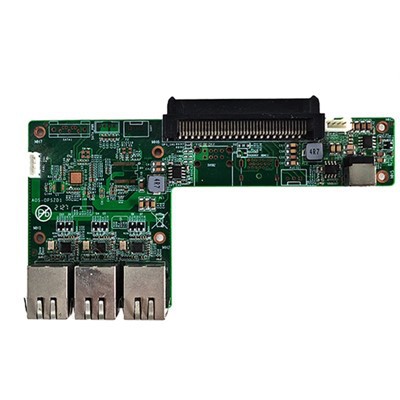
As a provider of Atom Z8350 Android Windows OPS computers, I often receive inquiries about the support for Bluetooth audio on these devices. In this blog post, I will delve into the details of Bluetooth audio support on Atom Z8350 Android Windows OPS computers, exploring its capabilities, limitations, and practical applications.
Understanding the Atom Z8350 Android Windows OPS Computer
Before we discuss Bluetooth audio support, let's first understand the Atom Z8350 Android Windows OPS computer. The Intel Atom Z8350 is a quad - core processor designed for low - power and compact computing devices. OPS (Open Pluggable Specification) is a standard that allows for easy integration of a computer into a display device, such as a digital signage screen or an interactive whiteboard.
These computers are highly versatile, supporting both Android and Windows operating systems. They are commonly used in various scenarios, including digital signage, kiosks, education, and hospitality, where multimedia playback and connectivity are essential.
Bluetooth Audio Capabilities
The Atom Z8350 Android Windows OPS computers typically come with built - in Bluetooth functionality. This means they can connect to a wide range of Bluetooth audio devices, such as headphones, speakers, and soundbars.
Connectivity
Pairing a Bluetooth audio device with an Atom Z8350 Android Windows OPS computer is a straightforward process. On the Android operating system, users can go to the "Settings" menu, select "Bluetooth", and then search for available devices. Once the desired audio device is found, the user can simply tap on it to pair.
In the Windows operating system, the process is similar. Users can access the "Settings" app, click on "Devices", and then select "Bluetooth & other devices". From there, they can turn on Bluetooth and search for nearby devices to pair.
Audio Quality
The audio quality of Bluetooth audio on the Atom Z8350 Android Windows OPS computers is generally good. Most modern Bluetooth audio codecs, such as SBC (Sub - Band Coding), AAC (Advanced Audio Coding), and aptX, are supported. SBC is the most common codec and is used by default on many Bluetooth devices. AAC offers better audio quality, especially for music playback, and is commonly used on Apple devices. aptX is a high - quality codec developed by Qualcomm, which provides excellent audio fidelity and low latency.
However, the actual audio quality can be affected by several factors, including the distance between the computer and the audio device, the presence of obstacles, and the quality of the audio device itself.
Multiple Device Support
In some cases, users may want to connect multiple Bluetooth audio devices to the Atom Z8350 Android Windows OPS computer. While it is possible to pair multiple devices, the computer may not be able to stream audio to all of them simultaneously. This limitation depends on the operating system and the hardware capabilities of the computer.
Limitations of Bluetooth Audio on Atom Z8350 Android Windows OPS Computers
Despite its many advantages, there are some limitations to using Bluetooth audio on these computers.
Range
The range of Bluetooth audio is typically limited to around 10 meters (33 feet). This means that if the audio device is too far away from the computer, the connection may become unstable or drop altogether. Additionally, obstacles such as walls and furniture can weaken the Bluetooth signal, further reducing the effective range.
Latency
Bluetooth audio can suffer from latency, especially when using lower - quality codecs. This latency can be noticeable, especially when watching videos or playing games, where the audio may be out of sync with the video. However, codecs like aptX Low Latency are designed to minimize this issue.
Compatibility
While most Bluetooth audio devices are compatible with the Atom Z8350 Android Windows OPS computers, there may be some cases where compatibility issues arise. This can be due to differences in Bluetooth versions, codecs, or device drivers.
Practical Applications
The support for Bluetooth audio on Atom Z8350 Android Windows OPS computers opens up a wide range of practical applications.


Multimedia Playback
In digital signage and kiosk applications, Bluetooth audio can be used to provide audio accompaniment to videos and presentations. For example, a museum kiosk can use Bluetooth speakers to play audio guides for visitors. In educational settings, teachers can use Bluetooth headphones to listen to audio materials privately without disturbing others.
Home Entertainment
At home, these computers can be used as media centers. Users can connect them to a Bluetooth soundbar or speakers to enhance the audio experience when watching movies, TV shows, or playing games.
Related Products
If you are interested in other OPS computers or related products, we also offer a variety of options. Check out our H310 8Th 9Th Generation CORE OPS Computer, which provides high - performance computing for demanding applications. Our Standard ATX Industrial Large Motherboard 2 DDR4 ATX Motherboards are suitable for industrial and commercial use, offering stability and expandability. And the SOH310B Whiskylake Touch Display OPS - C Computer is a great choice for touch - enabled displays.
Conclusion
The support for Bluetooth audio on Atom Z8350 Android Windows OPS computers is a valuable feature that enhances their versatility and functionality. While there are some limitations, such as range, latency, and compatibility issues, the benefits of being able to connect to a wide range of Bluetooth audio devices outweigh these drawbacks. Whether you are using these computers for digital signage, education, or home entertainment, Bluetooth audio can provide an immersive and convenient audio experience.
If you are interested in purchasing Atom Z8350 Android Windows OPS computers or have any questions about their Bluetooth audio support, please feel free to contact us for further discussion and procurement negotiations.
References
- Intel Atom Z8350 product documentation
- Bluetooth technology specifications
- Android and Windows operating system documentation