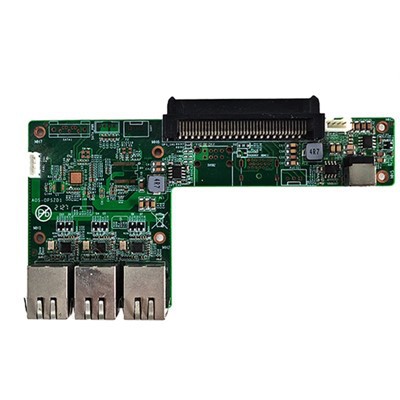
As a supplier of Transfer Panel Additive OPS (Open Pluggable Specification) Computers, I am often asked about the operating system (OS) of these devices. In this blog post, I will delve into the details of the operating systems commonly used in Transfer Panel Additive OPS Computers, exploring their features, advantages, and considerations.
Understanding Transfer Panel Additive OPS Computers
Before discussing the operating systems, let's briefly understand what Transfer Panel Additive OPS Computers are. These are compact, plug - in computers designed to be integrated with display panels, such as touch - screen displays used in meetings, digital signage, and interactive kiosks. The OPS standard allows for easy installation and replacement of the computer module, providing flexibility and upgradeability.
Commonly Used Operating Systems
Windows Operating Systems
Windows is one of the most popular operating systems for Transfer Panel Additive OPS Computers. There are several reasons for its widespread use:
- Compatibility: Windows has a vast library of software applications. For businesses using these OPS computers in meeting rooms, it can easily run presentation software like Microsoft PowerPoint, video conferencing tools such as Zoom or Microsoft Teams, and other office productivity suites. The OPS Computer for Meeting Touchable TV often comes pre - installed with Windows to ensure seamless integration with these essential business applications.
- User - Friendly Interface: Windows has a well - known and intuitive user interface. Most users are already familiar with Windows, which reduces the learning curve when using the Transfer Panel Additive OPS Computer. This is especially important in environments where multiple users may need to access the system, such as public kiosks or shared meeting spaces.
- Security Updates: Microsoft regularly provides security updates for Windows, helping to protect the OPS computer from malware, viruses, and other cyber threats. This is crucial for businesses that handle sensitive data or operate in regulated industries.
However, there are also some considerations when using Windows. Licensing costs can be a factor, especially for large - scale deployments. Additionally, Windows may require more system resources compared to some other operating systems, which could potentially limit the performance of less powerful OPS computers.
Linux Operating Systems
Linux is another popular choice for Transfer Panel Additive OPS Computers, offering several unique advantages:
- Open - Source and Cost - Effective: Linux is open - source software, which means there are no licensing fees. This can significantly reduce the overall cost of deploying Transfer Panel Additive OPS Computers, especially for budget - conscious organizations. For example, the SOH310B Whiskylake Touch Display OPS - C Computer can be configured with a Linux - based operating system to provide a cost - effective solution for digital signage applications.
- Customizability: Linux allows for a high degree of customization. System administrators can tailor the operating system to meet the specific requirements of the application. For instance, in a digital signage setup, the Linux OS can be optimized to run only the necessary media playback software, reducing resource consumption and improving performance.
- Stability and Security: Linux is known for its stability and security. It has a lower risk of being infected by malware compared to Windows, as the Linux user base is smaller and less targeted by cybercriminals. Additionally, the open - source nature of Linux allows for a large community of developers to contribute to security improvements.
On the downside, Linux may have a steeper learning curve for non - technical users. The availability of some proprietary software may be limited, which could be a problem for businesses that rely on specific commercial applications.
Android Operating System
Android is also emerging as a viable option for Transfer Panel Additive OPS Computers, particularly in applications such as digital signage and interactive kiosks:
- App Ecosystem: Android has a large and diverse app ecosystem. There are many apps available for media playback, content management, and interactive experiences. This makes it easy to develop and deploy custom applications for specific use cases, such as a self - service kiosk in a retail store or a digital menu board in a restaurant.
- Touch - Screen Friendly: Android is designed with touch - screen interaction in mind. Since Transfer Panel Additive OPS Computers are often used with touch - screen displays, Android provides a seamless and intuitive touch - based user experience.
- Energy Efficiency: Android is generally more energy - efficient compared to Windows, which can be beneficial for OPS computers that are running continuously, such as in 24/7 digital signage installations.
However, Android may not be as suitable for traditional office applications as Windows or Linux. It also has some security concerns, although Google is constantly working on improving the security of the Android platform.
Factors to Consider When Choosing an Operating System
When selecting an operating system for a Transfer Panel Additive OPS Computer, several factors should be taken into account:


- Application Requirements: Consider the specific software applications that will be running on the OPS computer. If it's mainly for office work and running Microsoft Office applications, Windows may be the best choice. For media - centric applications like digital signage, Android or Linux could be more suitable.
- User Skill Level: The technical proficiency of the end - users is an important factor. If the users are not very tech - savvy, a user - friendly operating system like Windows or Android may be preferred.
- Cost: Licensing costs, as well as the cost of software development and support, should be considered. Linux offers a cost - effective solution, while Windows may require a significant investment in licensing fees for large - scale deployments.
- Security: Depending on the sensitivity of the data and the level of security required, different operating systems may be more appropriate. Windows and Linux both have their own security mechanisms, but Linux is often considered more secure in some aspects.
Conclusion
In conclusion, the choice of operating system for a Transfer Panel Additive OPS Computer depends on a variety of factors, including application requirements, user skill level, cost, and security. Windows offers compatibility and a user - friendly interface, Linux provides customizability and cost - effectiveness, and Android offers a large app ecosystem and touch - screen friendliness.
As a supplier of Transfer Panel Additive OPS Computers, we can provide expert advice on choosing the most suitable operating system for your specific needs. Whether you are looking for an OPS Computer for Meeting Touchable TV, a SOH310B Whiskylake Touch Display OPS - C Computer, or a Celeron J5005 J4105 J4005 OPS Computer, we can help you make an informed decision.
If you are interested in purchasing Transfer Panel Additive OPS Computers or need more information about operating systems and their compatibility, please feel free to contact us for a detailed discussion. We are committed to providing high - quality products and excellent customer service to meet your business requirements.
References
- Microsoft Windows official documentation
- Linux Foundation resources
- Android developer documentation