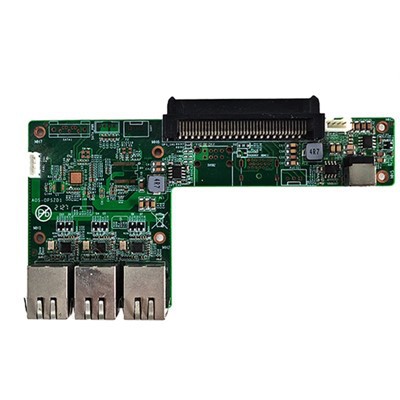
Introduction to Computer Hardware
Computer hardware refers to the physical components that make up a computer system. These components are essential for the operation of a computer and can be categorized into various types, including the central processing unit (CPU), memory, storage devices, motherboards, graphics cards, input and output devices, and power supplies.
The CPU is the brain of the computer, responsible for executing instructions and performing calculations. Memory, such as RAM, provides a temporary storage space for data that the CPU is currently using. Storage devices, like hard drives and solid - state drives, store data for long - term use. Motherboards serve as the main circuit board, connecting all the other components together. Graphics cards are crucial for rendering images, videos, and games, especially in high - performance systems. Input devices like keyboards and mice allow users to interact with the computer, while output devices like monitors and printers display or produce the results. Power supplies provide the necessary electrical power to all the components. The quality and performance of computer hardware greatly impact the overall functionality and efficiency of a computer system.
10 Leading Computer Hardware Suppliers
1. Shenzhen Aiostar Electronics Co., Ltd
Shenzhen Aiostar Electronics Co., Ltd is a well - known player in the computer hardware industry. Specialized in providing a wide range of high - quality computer hardware solutions, the company has built a solid reputation for its reliability and innovation.
Based in Shenzhen, a global hub for electronics manufacturing, Aiostar benefits from the region's advanced supply chain and technological ecosystem. The company is committed to research and development, constantly striving to improve its products' performance and features.
Aiostar offers a diverse portfolio of products. Their motherboards are designed with the latest chipset technology, ensuring high - speed data transfer and compatibility with a wide range of processors. The memory modules they produce are known for their stability and high - capacity options, meeting the needs of both home users and businesses.
One of the key features of Aiostar's products is their energy - efficiency. In an era where environmental concerns are at the forefront, the company has made significant efforts to reduce the power consumption of its hardware without sacrificing performance.
The company also places a strong emphasis on customer service. They have a dedicated technical support team that can assist customers with any issues they may encounter, whether it's product installation, troubleshooting, or performance optimization.
Website: https://www.aiostarops.com/
2. Intel Corporation
Intel is one of the most iconic names in the computer hardware industry. Founded in 1968, the company has been at the forefront of semiconductor innovation for decades.
Intel is best known for its microprocessors, which power the majority of personal computers and servers around the world. Their CPUs are renowned for their high performance, energy efficiency, and reliability. Intel has a long - standing commitment to research and development, investing billions of dollars each year to develop new technologies and improve existing ones.
In terms of technology leadership, Intel was the first to introduce the x86 architecture, which has become the standard for personal computers. They have continuously pushed the boundaries of semiconductor manufacturing, with advancements in process technology such as shrinking transistor sizes. This has led to increased performance and reduced power consumption in their processors.
Intel's product portfolio also includes a wide range of other components, such as chipsets, graphics processing units (GPUs), and network interface controllers. Their chipsets are designed to provide seamless integration between the CPU, memory, and other components, ensuring optimal system performance.
The company's server processors are widely used in data centers around the world. They offer features like multi - core processing, high - speed memory support, and advanced security features, making them suitable for handling large - scale computing tasks.
Intel also has a strong presence in the mobile market. Their Atom processors are designed for low - power devices such as tablets and smartphones, providing a balance between performance and battery life.
One of Intel's major advantages is its extensive manufacturing capabilities. The company operates some of the most advanced semiconductor fabrication plants in the world, allowing it to maintain strict quality control and ensure a stable supply of products.
Another advantage is its brand recognition. Intel has built a strong brand over the years, and consumers and businesses alike trust the quality and performance of its products. The company also has a large ecosystem of partners, including computer manufacturers, software developers, and system integrators, which helps to drive the adoption of its technologies.
3. AMD (Advanced Micro Devices)
AMD is a major competitor to Intel in the computer hardware market. Founded in 1969, the company has a long history of innovation in the semiconductor industry.
AMD is well - known for its high - performance processors. Their Ryzen series of desktop processors has gained significant market share in recent years, offering excellent multi - core performance at competitive prices. The Ryzen processors are popular among gamers, content creators, and professionals who require high - end computing power.
One of the key features of AMD's processors is their focus on multi - core architecture. With more cores, these processors can handle multiple tasks simultaneously, making them ideal for multitasking and running resource - intensive applications.
AMD also offers a range of server processors under the EPYC brand. These processors are designed for data centers and enterprise applications, providing high - performance computing capabilities with support for advanced virtualization and security features.
In the graphics card market, AMD is a significant player with its Radeon series of GPUs. Their graphics cards are known for their excellent gaming performance, especially in terms of price - to - performance ratio. The Radeon GPUs also support advanced technologies such as ray tracing, which enhances the visual quality of games.
AMD's advantage lies in its ability to offer competitive products at a lower cost compared to its competitors. This makes their hardware more accessible to a wider range of consumers and businesses. The company also has a strong R & D team that is constantly working on new technologies, such as improving the efficiency of its processors and graphics cards.
Another strength is its open - source approach. AMD has been more open in terms of providing access to its hardware specifications and drivers, which has led to a more vibrant community of developers working on optimizing software for AMD hardware.
4. NVIDIA Corporation
NVIDIA is a leading company in the field of graphics processing units (GPUs). Founded in 1993, the company has revolutionized the gaming and graphics industries with its innovative technology.
The primary focus of NVIDIA is on high - performance GPUs. Their GeForce series of graphics cards are the industry standard for gaming. These cards are known for their exceptional rendering capabilities, high frame rates, and support for the latest gaming technologies such as real - time ray tracing and DLSS (Deep Learning Super Sampling).
Ray tracing technology in NVIDIA's GPUs allows for more realistic lighting and reflections in games, creating a more immersive gaming experience. DLSS, on the other hand, uses artificial intelligence to improve the image quality and performance of games.
Apart from gaming, NVIDIA's GPUs are also widely used in professional applications such as video editing, 3D modeling, and scientific research. Their Quadro series of GPUs are designed for workstations, providing high - end graphics performance and reliability for professional users.
In recent years, NVIDIA has also made significant strides in the field of artificial intelligence. Their GPUs are the preferred choice for deep learning and AI research due to their parallel processing capabilities. The company has developed a range of software tools and frameworks, such as CUDA, to make it easier for developers to use GPUs for AI applications.
One of NVIDIA's major advantages is its technological leadership. The company is constantly investing in research and development to push the boundaries of GPU performance. Their early adoption and development of technologies like ray tracing have given them a competitive edge in the market.
Another strength is its strong brand in the gaming community. Gamers around the world trust NVIDIA's products for their performance and reliability. The company also has a large ecosystem of game developers who optimize their games for NVIDIA GPUs, ensuring a better gaming experience for users.
5. Samsung Electronics Co., Ltd
Samsung is a global conglomerate with a significant presence in the computer hardware market. The company is involved in the production of a wide range of computer hardware components, including memory chips, solid - state drives (SSDs), and displays.
In the memory market, Samsung is one of the leading manufacturers of DRAM (Dynamic Random - Access Memory) and NAND flash memory. Their DRAM modules are known for their high - speed performance and reliability, and are used in a wide range of devices, from smartphones to servers.
Samsung's NAND flash memory is used in SSDs, which offer much faster data transfer speeds compared to traditional hard disk drives (HDDs). Their SSDs are popular among consumers and businesses for their high - performance and durability. The company has been at the forefront of SSD technology development, introducing features like V-NAND (Vertical NAND) which allows for higher storage capacities and better performance.
In the display market, Samsung is a major player. They produce a variety of displays, including monitors, OLED panels for smartphones and tablets, and large - screen TVs. Their displays are known for their high - resolution, excellent color accuracy, and fast refresh rates.
One of Samsung's advantages is its vertical integration. The company has its own semiconductor manufacturing facilities, which allows it to have better control over the production process and ensure a stable supply of components. This vertical integration also enables Samsung to quickly adapt to changes in the market and introduce new products.
Another strength is its brand reputation. Samsung is a well - known and trusted brand around the world, and consumers are more likely to choose Samsung products for their quality and reliability. The company also invests heavily in research and development, constantly improving the performance and features of its hardware products.
6. Western Digital Corporation
Western Digital is a leading provider of data storage solutions. The company has a long history in the storage industry, dating back to 1970.
Western Digital is best known for its hard disk drives (HDDs) and solid - state drives (SSDs). Their HDDs are available in a wide range of capacities, from a few hundred gigabytes to multiple terabytes. These drives are commonly used in desktop computers, laptops, and data centers for mass storage.
In terms of SSDs, Western Digital offers a variety of products to meet different needs. Their consumer - grade SSDs, such as the WD Blue series, are popular for their affordability and good performance. The WD Black series, on the other hand, is designed for high - performance applications, offering fast data transfer speeds and low latency.
The company also provides enterprise - level storage solutions. Their Ultrastar series of HDDs and SSDs are built for data centers, offering high reliability, high capacity, and advanced features such as enhanced data protection and security.
One of Western Digital's features is its focus on data security. The company offers technologies such as data encryption and self - monitoring, analysis, and reporting technology (SMART) to protect users' data.
Another advantage is its extensive product portfolio. Whether it's a consumer looking for a basic storage solution or a large enterprise in need of high - end data storage, Western Digital has products to meet their requirements. The company also has a strong R & D team that is constantly working on improving the performance and reliability of its storage products.
7. Seagate Technology plc
Seagate is another major player in the data storage market. Founded in 1979, the company has been a pioneer in hard disk drive technology.
Seagate's hard disk drives are known for their high - capacity and reliability. They offer a wide range of HDDs for different applications, including desktop computers, laptops, and data centers. The company has been at the forefront of increasing the storage capacity of HDDs, with their latest drives offering capacities of up to 20 terabytes.
In addition to HDDs, Seagate also manufactures solid - state drives. Their SSDs are designed to provide fast data access and high - performance, catering to the needs of both consumers and businesses. The company's FireCuda series of hybrid drives, which combine the large capacity of HDDs with the fast performance of SSDs, are a popular choice among users.
Seagate's enterprise - class storage solutions are widely used in data centers around the world. Their Exos series of HDDs are designed for high - workload environments, offering features such as high - speed data transfer, low power consumption, and advanced error - correction capabilities.
One of Seagate's strengths is its manufacturing expertise. The company has advanced manufacturing facilities that allow it to produce high - quality storage products at scale. Another advantage is its long - standing reputation in the storage industry. Customers trust Seagate's products for their reliability and performance, and the company has a strong customer support network to assist users with any issues they may encounter.
8. ASUSTek Computer Inc.
ASUS is a well - known computer hardware manufacturer based in Taiwan. The company offers a wide range of computer hardware products, including motherboards, graphics cards, laptops, desktops, and peripherals.
ASUS motherboards are highly regarded in the market for their quality and performance. They are designed with advanced technologies such as AI Overclocking, which automatically optimizes the CPU's performance based on the system's cooling capabilities. The company also offers a wide range of motherboard models to suit different user needs, from budget - friendly options to high - end gaming motherboards.
In the graphics card market, ASUS is a prominent player with its ROG (Republic of Gamers) and TUF Gaming series. These graphics cards are known for their excellent gaming performance, high - quality cooling solutions, and stylish designs.
ASUS laptops are also popular among consumers. They offer a diverse range of laptops, including ultra - thin and light notebooks for portability, gaming laptops for high - performance gaming, and workstation laptops for professional users. The company's laptops are often praised for their build quality, long - battery life, and high - resolution displays.
One of ASUS's features is its focus on customization. The company offers a range of customizable features in its products, such as RGB lighting on motherboards and graphics cards, allowing users to personalize their computer systems.
Another advantage is its strong brand in the gaming community. ASUS's ROG brand is well - recognized for its high - end gaming hardware, and the company often partners with game developers to optimize its products for the latest games.
9. Dell Technologies Inc.
Dell is a global technology company that offers a comprehensive range of computer hardware products and solutions. The company was founded in 1984 and has since grown to become one of the largest computer manufacturers in the world.
Dell offers a wide variety of laptops, desktops, and servers. Their laptops are known for their reliability, performance, and portability. The XPS series of laptops are popular among consumers for their sleek design, high - end components, and excellent display quality.
The company's desktops are available in different form factors, including all - in - one desktops and tower desktops. The OptiPlex series of desktops are widely used in businesses for their stability and manageability.
Dell's servers are a major part of its product portfolio. The PowerEdge series of servers are designed for data centers and enterprise applications, offering high - performance computing, scalability, and advanced management features.
One of Dell's advantages is its direct - to - customer business model. This allows the company to have a better understanding of customer needs and provide customized solutions. Dell also offers a high - level of customer support, with a global network of service centers and technical support teams.
Another strength is its extensive ecosystem of software and services. Dell provides a range of software tools for system management, security, and data protection, which can be integrated with its hardware products to provide a complete solution for customers.
10. Lenovo Group Limited
Lenovo is a Chinese - American multinational technology company that is a major player in the computer hardware market. The company is known for its wide range of laptops, desktops, tablets, and servers.
Lenovo's laptops are some of the most popular in the world. The ThinkPad series, in particular, is highly regarded for its durability, reliability, and business - friendly features. The ThinkPad laptops are known for their spill - resistant keyboards, long - battery life, and robust build quality, making them a favorite among business travelers and professionals.
The company's IdeaPad series of laptops is targeted at consumers and offers a balance between performance and affordability. These laptops come with a variety of features and configurations to suit different user needs.
Lenovo also offers a range of desktops, including all - in - one desktops and tower desktops. Their desktops are known for their energy - efficiency and ease of use.
In the server market, Lenovo's ThinkSystem series of servers are designed to provide high - performance computing and data storage solutions for businesses. These servers offer features such as advanced virtualization, scalability, and energy - saving technologies.
One of Lenovo's features is its focus on innovation. The company invests heavily in research and development to introduce new technologies and features in its products. Another advantage is its global presence. Lenovo has a wide distribution network and customer support centers around the world, which allows it to serve customers in different regions effectively.
Conclusion
The computer hardware industry is highly competitive and dynamic, with these 10 leading suppliers each bringing unique strengths and capabilities to the table. From the semiconductor giants like Intel and AMD, which drive the performance of processors, to the storage providers such as Western Digital and Seagate, and the device manufacturers like Dell, Lenovo, and ASUS, each company plays a crucial role in shaping the technology landscape.
These companies are not only competing on price and performance but also on innovation, energy - efficiency, and customer service. The rise of new technologies such as artificial intelligence, 5G, and the Internet of Things (IoT) will continue to create new opportunities and challenges for these computer hardware suppliers. As consumers and businesses demand more powerful, reliable, and sustainable hardware solutions, these companies will need to continuously invest in research and development to stay ahead of the curve. Overall, the future of the computer hardware industry looks promising, with these leading suppliers at the forefront of driving innovation and progress.