First, reduce the noise of the radiator
1. Quiet radiator
The principle of the silent radiator is to increase the fan speed, speed up the air flow, increase the fan diameter, widen the air duct, increase the air area of the radiator, and increase the fan diameter. Alternatively, the fan shape of the radiator can be optimized, and drainage design can be used to avoid the flow of ambient air flow instead of forced air flow.
2. Integration of radiator and chassis
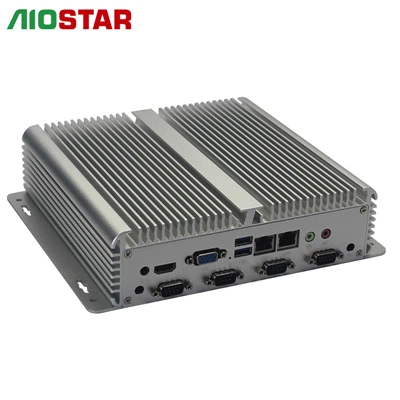
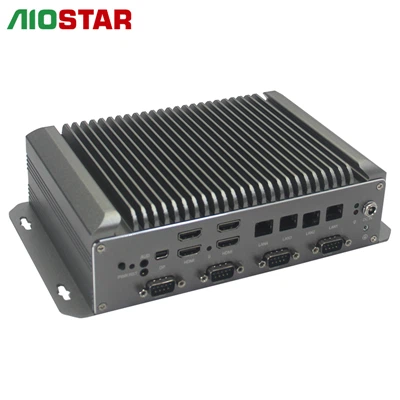
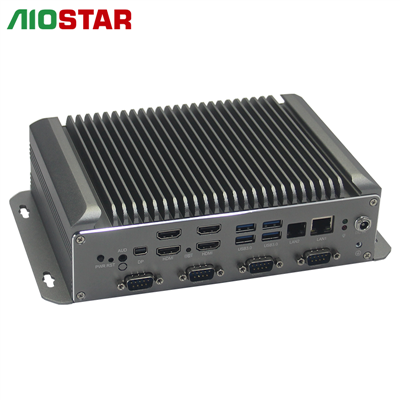
External "cold" air is drawn into the radiator at the front of the chassis and the radiators on both sides of the chassis through various accessories of the industrial computer. Finally, a part of the CPU hot air is exhausted from the radiator behind the chassis, and the other part is exhausted through the electronic radiator. This design can increase the air volume of the radiator, increase the speed, effectively dissipate heat, reduce the noise of the radiator, and extend the service life of the machine.
Second, speed control
The main goal of the radiator fan is to meet the heat dissipation requirements of high-end high-load processors. However, in actual use, most of them use low-to-medium load and mid-range mainstream processors, and do not need to use maximum speed to provide maximum air volume. So many manufacturers control the speed to reduce the noise of the radiator.